
Definition of Hyperparathyroidism
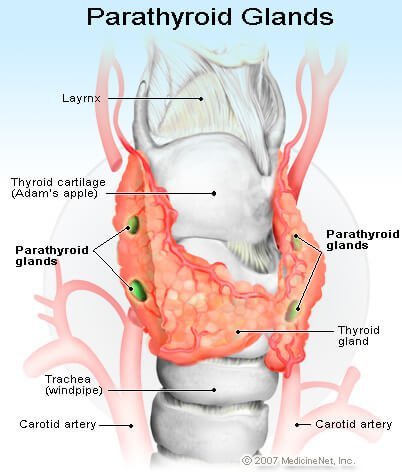
Hyperparathyroidism: Too much parathyroid hormone resulting in abnormally high levels of calcium in the blood (hypercalcemia). This can cause bone resorption and osteoporosis, calcium deposits in the kidneys, muscular weakness, nausea, vomiting, abdominal pains, and drowsiness. Hyperparathyroidism can be primary or secondary. Primary hyperparathyroidism is a disorder of the parathyroid glands in which one or more of the parathyroid glands are enlarged (hyperplastic), overactive, and secrete too much parathyroid hormone. In secondary hyperparathyroidism, the parathyroid glands themselves are normal but a problem such as kidney failure makes the body resistant to the action of parathyroid hormone.
Need Expert Advice on Your Condition?
Get a personalized video breakdown and treatment plan from our senior neurosurgeons using your MRI/CT scans.
👉 Request MRI Review