- Generic Name: moexipril hcl hydrochlorothiazide tablets
- Brand Name: Uniretic
- Drug Class: ACEIHCTZ Combos
side effects drug center uniretic (moexipril hcl hydrochlorothiazide tablets) drug
PROFESSIONAL
CONSUMER
SIDE EFFECTS
Drug Description
Uniretic®
(moexipril HCl / hydrochlorothiazide) Tablets 7.5 mg/12.5 mg 15 mg/12.5 mg 15
mg/25 mg
WARNING
FETAL TOXICITY
See full prescribing
information for complete boxed warning.
- When pregnancy is detected, discontinue uniretic ® as soon as possible.
- Drugs that act directly on the renin-angiotensin system
can cause injury and death to the developing fetus. See WARNINGS: Fetal
Toxicity
DESCRIPTION
Uniretic® (moexipril
hydrochloride/hydrochlorothiazide) is a combination of an angiotensinconverting
enzyme (ACE) inhibitor, moexipril hydrochloride, and a diuretic,
hydrochlorothiazide. Moexipril hydrochloride is a fine white to off-white
powder. It is soluble (about 10% weight-tovolume) in distilled water at room
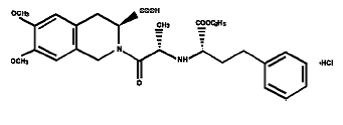
temperature. It has the empirical formula C27H34N2O7·HCl
and a molecular weight of 535.04. It is chemically described as
[3S-[2[R*(R*)],3R*]]-2-[2-[[1(Ethoxycarbonyl)-3-phenyl-propyl]amino]-1-oxopropyl]-1,2,3,4-tetrahydro-6,7-dimethoxy-3isoquino-linecarboxylic
acid, monohydrochloride. Moexipril hydrochloride is a non-sulfhydryl containing
precursor of the active ACE inhibitor moexiprilat and its structural formula
is:
Hydrochlorothiazide is a white, or
practically white, crystalline powder. It is slightly soluble in water, freely
soluble in sodium hydroxide solution, in n-butylamine and in dimethylformamide.
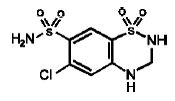
Hydrochlorothiazide has the empirical formula C7H8CIN3O4S2
and a molecular weight of 297.75. It is chemically described as 2H-1,2,4-Benzothiadiazine-7-sulfonamide,6-chloro-3,4-dihydro-,1,1dioxide.
Hydrochlorothiazide is a thiazide diuretic and its structural formula is:
Uniretic® is available
for oral administration in three tablet strengths. The inactive ingredients in
all strengths are lactose, magnesium oxide, crospovidone, magnesium stearate
and gelatin. The film coating in all strengths contains hydroxypropyl
cellulose, hypromellose, polyethylene glycol 6000, magnesium stearate and titanium
dioxide. In addition, the film coating for uniretic® 7.5 mg / 12.5
mg and uniretic® 15 mg / 25 mg contains ferric oxide.
Indications
Uniretic® is indicated for treatment of patients
with hypertension. This fixed combination is not indicated for the initial
therapy of hypertension (see DOSAGE AND ADMINISTRATION).
In using uniretic®, consideration should be given
to the fact that another ACE inhibitor, captopril, has caused agranulocytosis,
particularly in patients with renal impairment or collagen-vascular disease.
Available data are insufficient to show that uniretic® does not have
a similar risk (see WARNINGS, Neutropenia/ Agranulocytosis). In
addition, ACE inhibitors, for which adequate data are available, cause a higher
rate of angioedema in black than in nonblack patients (see WARNINGS, Angioedema).
Dosage
DOSAGE AND ADMINISTRATION
Moexipril and hydrochlorothiazide are effective treatments
for hypertension. The recommended dosage range of moexipril is 7.5 to 30 mg
daily, administered in a single or two divided doses one hour before meals, while
hydrochlorothiazide is effective in a dosage of 12.5 to 50 mg daily.
The side effects (see WARNINGS) of moexipril are
generally rare and apparently independent of dose; those of hydrochlorothiazide
are a mixture of dose-dependent phenomena (primarily hypokalemia) and
dose-independent phenomena (e.g., pancreatitis), the former much more common
than the latter. Therapy with any combination of moexipril and
hydrochlorothiazide will be associated with both sets of dose-independent side
effects, but regimens in which moexipril is combined with low doses of
hydrochlorothiazide produce minimal effects on serum potassium. In uniretic® controlled clinical trials, the average change in serum potassium was
near zero in subjects who received 3.75 mg / 6.25 mg or 7.5 mg / 12.5 mg, but
subjects who received 15 mg / 12.5 mg or 15 mg / 25 mg experienced a mild
decrease in serum potassium, similar to that experienced by subjects who
received the same dose of hydrochlorothiazide monotherapy. To minimize
dose-independent side effects, it is usually appropriate to begin combination
therapy only after a patient has failed to achieve the desired effect with
monotherapy.
Dose Titration Guided by Clinical Effect
A patient whose blood pressure is not adequately controlled
with either moexipril or hydrochlorothiazide monotherapy may be given uniretic® 7.5 mg / 12.5 mg, uniretic® 15 mg / 12.5 mg or uniretic® 15
mg / 25 mg one hour before a meal. Further increases of moexipril,
hydrochlorothiazide or both depend on clinical response. The
hydrochlorothiazide dose should generally not be increased until 2-3 weeks have
elapsed.
Total daily doses above 30 mg / 50 mg a day have not been
studied in hypertensive patients. Patients whose blood pressures are adequately
controlled with 25 mg of hydrochlorothiazide daily, but who experience
significant potassium loss with this regimen, may achieve blood pressure
control without electrolyte disturbance if they are switched to moexipril 3.75
mg/hydrochlorothiazide 6.25 mg (onehalf of the uniretic® 7.5 mg /
12.5 mg tablet). For patients who experience an excessive reduction in blood
pressure with uniretic® 7.5 mg / 12.5 mg, the physician may consider
prescribing moexipril 3.75 mg/hydrochlorothiazide 6.25 mg.
Replacement Therapy
The combination may be substituted for the titrated
individual active ingredients.
Use in Renal Impairment
The usual dosage regimen of uniretic® does not
need to be adjusted as long as the patient's creatinine clearance is > 40
mL/min/1.73 m² (serum creatinine approximately ≤ 3 mg/dL or
265 μmol/L). In patients with more severe renal impairment, loop diuretics
are preferred to thiazides, so uniretic® is not recommended (see PRECAUTIONS,
General).
HOW SUPPLIED
Uniretic® (moexipril hydrochloride/hydrochlorothiazide)
7.5 mg / 12.5 mg tablets are yellow, oval, film-coated and scored with engraved
code 712 on the unscored side and S and P on either side of the score. They are
supplied as follows:
Bottles of 100 NDC 0091-3712-01
Uniretic® (moexipril
hydrochloride/hydrochlorothiazide) 15 mg / 12.5 mg tablets are white, oval,
film-coated and scored with engraved code 720 on the unscored side and S and P
on either side of the score. They are supplied as follows:
Bottles of 100 NDC 0091-3720-01
Uniretic® (moexipril
hydrochloride/hydrochlorothiazide) 15 mg / 25 mg tablets are yellow, oval,
film-coated and scored with engraved code 725 on the unscored side and S and P
on either side of the score. They are supplied as follows:
Bottles of 100 NDC 0091-3725-01
Store, tightly closed, at controlled room temperature 20° to
25°C (68° to 77°F). Protect from excessive moisture.
If product package is subdivided, dispense in tight
containers as described in USP-NF.
Manufactured for: UCB, Inc. Smyrna, GA 30080. Rev. 2012
Side Effects
Uniretic® has been evaluated for safety in more
than 1140 patients with hypertension with more than 120 treated for more than
one year. uniretic® has not demonstrated a potential for causing
adverse experiences different from those previously associated with other ACE
inhibitor/diuretic combinations. The overall incidence of reported adverse
events was slightly less in patients treated with uniretic® than
patients treated with placebo.
Adverse experiences were usually mild and transient, and
there was no relationship between adverse experiences and gender, race, age, or
total daily dosage (except for serum potassium decreases at 50 mg
hydrochlorothiazide) within the moexipril/ hydrochlorothiazide dosage range of 3.75
mg / 3.125 mg to 30 mg / 50 mg. Discontinuation of therapy due to adverse
experiences was required in 5.3% of patients treated with uniretic® and
in 8.4% of patients treated with placebo. The most common reasons for
discontinuation of therapy with uniretic® were cough (0.5%) and
dizziness (0.5%).
All adverse experiences considered at least possibly related
to treatment that occurred at any dose in placebo-controlled trials of
once-daily dosing in more than 1% of patients treated with uniretic® and
that were at least as frequent in the uniretic® group as in the
placebo group are shown in the following table.
Adverse Events in Placebo-Controlled Trials
| ADVERSE EVENT |
UNIRETIC
(N=506)
N (%) |
PLACEBO
(N=202)
N (%) |
| Cough |
15 (3) |
2 (1) |
| Dizziness |
7 (1.4) |
2 (1) |
| Fatigue |
5 (1) |
1 (0.5) |
Other adverse experiences
occurring in more than 1% of patients treated with uniretic® in
controlled or uncontrolled trials, some of which were of uncertain drug
relationship, listed in decreasing frequency include: upper respiratory
infection, headache, pain, flu syndrome, pharyngitis, hyperuricemia, diarrhea,
back pain, rhinitis, sinusitis, abnormal ECG, infection, abdominal pain, chest
pain, dyspepsia, hyperglycemia, hypokalemia, rash, vertigo, nausea, hypertonia,
increased SGPT, urinary tract infection, impotence, peripheral edema, pyuria,
bronchitis, and fever. See WARNINGS and PRECAUTIONS for discussion of
anaphylactoid reactions, angioedema, hypotension, neutropenia/agranulocytosis,
fetal/neonatal morbidity and mortality, serum electrolyte imbalances, and
cough.
The following adverse experiences,
some of which are of uncertain drug relationship, were reported in uniretic® controlled or uncontrolled clinical trials in less than 1% of patients or
have been attributed to other ACE inhibitors. Within each organ system, adverse
experiences are listed in decreasing frequency.
Cardiovascular: palpitation, flushing, syncope,
tachycardia, myocardial infarct, hypotension, postural hypotension, arrhythmia,
first degree AV block, ventricular extrasystoles, atrial fibrillation,
migraine, hemorrhage, sinus bradycardia, bigeminy, bradycardia, bundle branch
block, heart arrest, myocardial ischemia, peripheral vascular disorder,
prolonged QT interval, inverted T wave, ventricular fibrillation
Dermatologic: eczema, pruritus, sweating, acne, dry
skin, herpes simplex, contact dermatitis, herpes zoster, psoriasis, alopecia,
angioedema, erythema nodosum, fungal dermatitis, furunculosis, maculopapular
rash, purpuric rash, skin carcinoma, subcutaneous nodule, urticaria, pemphigus
Gastrointestinal: vomiting, constipation,
gastroenteritis, periodontal abscess, cholelithiasis, gastritis, gingivitis,
esophagitis, flatulence, anorexia, colitis, dysphagia, tooth caries, cheilitis,
enteritis, eructation, gastrointestinal carcinoma, gastrointestinal hemorrhage,
glossitis, increased appetite, jaundice, melena, rectal hemorrhage, stomatitis,
tongue discoloration, tongue edema
Hematologic: anemia, hypochromic anemia, leukopenia,
abnormal erythrocytes, ecchymosis, lymphocytosis, hemolysis, lymphadenopathy,
eosinophilia, petechia, abnormal WBC, hemolytic anemia
Metabolic: hyperlipemia, increased SGOT, gout,
bilirubinemia, increased creatinine, hypercholesterolemia, increased BUN,
increased CPK, diabetes mellitus, hyponatremia, thirst, edema, increased
alkaline phosphatase, increased amylase, dehydration, decreased glucose
tolerance, goiter, hypercalcemia, hyperkalemia, hypocalcemia, hypochloremia,
hypoproteinemia, weight gain
Neurologic/Psychiatric: insomnia, postural dizziness,
somnolence, dry mouth, anxiety, nervousness, paresthesia, depression, neuritis,
hypesthesia, decreased libido, neuralgia, amnesia, ataxia, cerebral infarct,
emotional lability, facial paralysis, hypokinesia, neurosis, vocal cord
paralysis
Renal: albuminuria, urinary frequency, hematuria,
glycosuria, cystitis, dysuria, nocturia, polyuria, kidney calculus,
pyelonephritis, urate crystalluria, urinary casts, urinary retention
Respiratory: epistaxis, pneumonia, dyspnea, asthma,
lung carcinoma, hemoptysis, laryngitis, voice alteration, eosinophilic
pneumonitis
Urogenital: vaginal hemorrhage, breast carcinoma,
scrotal edema, vaginitis, breast enlargement, breast pain, dysmenorrhea,
leukorrhea
Other: asthenia, conjunctivitis, myalgia, arthralgia,
arthrosis, hernia, neck pain, cyst, tenosynovitis, abnormal vision, allergic
reaction, arthritis, cataract, cellulitis, moniliasis, otitis media, eye
hemorrhage, chills, abscess, bursitis, deafness, ear pain, glaucoma, iritis,
neck rigidity, photosensitivity, retinal degeneration, tinnitus
Monotherapy with moexipril has been evaluated for safety in
over 3000 patients. In clinical trials, the observed adverse experiences with
moexipril were similar to those seen in the uniretic® trials.
Hydrochlorothiazide: The following adverse reactions
have been reported with hydrochlorothiazide and, within each organ system, are
listed by decreasing severity.
Cardiovascular: orthostatic hypotension (may be
potentiated by alcohol, barbiturates, or narcotics)
Gastrointestinal: pancreatitis, jaundice
(intrahepatic cholestatic, see WARNINGS), sialadenitis, vomiting,
diarrhea, cramping, nausea, gastric irritation, constipation, anorexia
Neurologic/Psychiatric: vertigo, dizziness, transient
blurred vision, headache, paresthesia, xanthopsia, weakness, restlessness
Musculoskeletal: muscle spasm
Hematologic: aplastic anemia, agranulocytosis,
leukopenia, thrombocytopenia
Metabolic: hyperglycemia, glycosuria, hyperuricemia
Hypersensitivity: necrotizing angiitis,
Stevens-Johnson syndrome, respiratory distress including pneumonitis and
pulmonary edema, purpura, urticaria, rash, photosensitivity
Clinical Laboratory Test Findings
Serum Electrolytes
See PRECAUTIONS, General.
Creatinine and Blood Urea Nitrogen
As with other ACE inhibitors, minor increases in blood urea nitrogen or serum creatinine, reversible upon discontinuation of therapy, were
observed in less than 1% of patients with essential hypertension who were
treated with uniretic®. Increases are more likely to occur in
patients with compromised renal function (see PRECAUTIONS, General).
Other (causal relationship unknown)
Clinically important changes in standard laboratory tests
were rarely associated with uniretic® administration.
Drug Interactions
Potassium Supplements and Potassium-Sparing Diuretics
As noted above (Serum Electrolyte Imbalances), the net
effect of uniretic® may be to elevate a patient's serum potassium,
to reduce it, or to leave it unchanged. Potassium-sparing diuretics
(spironolactone, amiloride, triamterene) or potassium supplements can increase
the risk of hyperkalemia. If concomitant use of such agents is indicated, they
should be given with caution, and the patient's serum potassium should be
monitored.
Oral Anticoagulants
Interaction studies with warfarin failed to identify any
clinically important effect of moexipril monotherapy on the serum
concentrations of the anticoagulant or on its anticoagulant effect.
Lithium
Increased serum lithium levels and symptoms of lithium
toxicity have been reported in patients receiving ACE inhibitors during therapy
with lithium. Because renal clearance of lithium is reduced by thiazides, the
risk of lithium toxicity is presumably raised further when, as in therapy with
uniretic®, a thiazide diuretic is coadministered with the ACE
inhibitor. These drugs should be coadministered with caution, and frequent
monitoring of serum lithium levels is recommended.
Gold
Nitritoid reactions (symptoms include facial flusing,
nausea, vomiting and hypotension) have been reported rarely in patients on
therapy with injectable gold (sodium aurothiomalate) and concomitant ACE
inhibitor therapy including uniretic®.
Alcohol, Barbiturates, or Narcotics
Potentiation of orthostatic hypotension may occur in
patients on thiazide diuretic therapy with concomitant use of alcohol,
barbiturates, or narcotics.
Antidiabetic Agents
Use of thiazide diuretics concomitantly with antidiabetic
agents (oral agents and insulin) may require dosage adjustment of the
antidiabetic agent. Moexipril has been used in clinical trials concomitantly
with oral hypoglycemic agents and there was no evidence of any clinically
important adverse interactions.
Cholestyramine and Colestipol Resins
Absorption of hydrochlorothiazide is impaired in the
presence of anionic exchange resins. Single doses of either cholestyramine or
colestipol resins bind the hydrochlorothiazide and reduce its absorption from
the gastrointestinal tract by up to 85% and 43%, respectively.
Corticosteroids, ACTH
Use of thiazide diuretics concomitantly with corticosteroids
or ACTH may intensify electrolyte depletion, particularly hypokalemia.
Pressor Amines: Thiazide diuretics may decrease arterial
responsiveness to pressor amines (e.g. norepinephrine), but not enough to
preclude effectiveness of the pressor agent for therapeutic use.
Skeletal Muscle Relaxants, Nondepolarizing
Thiazide diuretics may increase the responsiveness to
tubocurarine.
Non-Steroidal Anti-Inflammatory Agents including Selective
Cyclooxygenase-2 Inhibitors (COX-2 Inhibitors)
In patients who are elderly, volume-depleted (including
those on diuretic therapy), or with compromised renal function,
co-administration of NSAIDS, including selective COX-2 inhibitors, with ACE
inhibitors, including moexipril, may result in deterioration of renal function,
including possible acute renal failure. These effects are usually reversible.
Monitor renal function periodically in patients receiving moexipril and NSAID
therapy.
The antihypertensive effect of ACE inhibitors and
hydrochlorothiazide, as well as the diuretic and natriuretic effects of
hydrochlorothiazide, may be attenuated by NSAIDS.
Dual Blockade of the Renin-Angiotensin System (RAS)
Dual blockade of the RAS with angiotensin receptor blockers,
ACE inhibitors, or aliskiren is associated with increased risks of hypotension,
hyperkalemia, and changes in renal function (including acute renal failure)
compared to monotherapy. Closely monitor blood pressure, renal function and
electrolytes in patients on uniretic® and other agents that affect
the RAS.
Do not co-administer aliskiren with uniretic® in
patients with diabetes. Avoid use of aliskiren with uniretic® in
patients with renal impairment (GFR < 60 mL/min).
Other Agents
No clinically important pharmacokinetic interactions
occurred when moexipril was administered concomitantly with digoxin or
cimetidine.
Moexipril has been used in clinical trials concomitantly
with calcium-channel-blocking agents, diuretics, H2 blockers, digoxin, and
cholesterol-lowering agents. There was no evidence of clinically important
adverse interactions. In general, ACE inhibitors have less than additive
effects with betaadrenergic blockers, presumably because both work by
inhibiting the renin-angiotensin system.
Coadministration of propantheline or guanabenz increased the
absorption of hydrochlorothiazide.
Warnings
Anaphylactoid and Possibly Related Reactions
Presumably because angiotensin-converting enzyme inhibitors
affect the metabolism of eicosanoids and polypeptides, including endogenous
bradykinin, patients receiving ACE inhibitors, including uniretic®,
may be subject to a variety of adverse reactions, some of them serious.
Head and Neck Angioedema
Angioedema involving the face, extremities, lips, tongue,
glottis, and/or larynx has been reported in patients treated with ACE
inhibitors, including moexipril. Symptoms suggestive of angioedema or facial
edema occurred in < 0.5% of moexipril-treated patients in placebo-controlled
trials. None of the cases were considered life-threatening and all resolved
either without treatment or with medication (antihistamines or
glucocorticoids). One patient treated with hydrochlorothiazide alone
experienced laryngeal edema. No instances of angioedema were reported in
placebo-treated patients.
In cases of angioedema, treatment with uniretic® should
be promptly discontinued and the patient carefully observed until the swelling
disappears. In instances where swelling has been confined to the face and lips,
the condition has generally resolved without treatment, although antihistamines
have been useful in relieving symptoms.
Angioedema associated with involvement of the tongue,
glottis, or larynx may be fatal due to airway obstruction. Appropriate therapy,
e.g., subcutaneous epinephrine solution 1:1000 (0.3 to 0.5 mL) and/or measures
to ensure a patent airway, should be promptly provided (see ADVERSE
REACTIONS).
Intestinal Angioedema
Intestinal angioedema has been reported in patients treated
with ACE inhibitors. These patients presented with abdominal pain (with or
without nausea or vomiting); in some cases there was no prior history of facial
angioedema and C-1 esterase levels were normal. The angioedema was diagnosed by
procedures including abdominal CT scan or ultrasound, or at surgery, and
symptoms resolved after stopping the ACE inhibitor. Intestinal angioedema
should be included in the differential diagnosis of patients on ACE inhibitors
presenting with abdominal pain.
Anaphylactoid Reactions During Desensitization
Two patients undergoing desensitizing treatment with
hymenoptera venom while receiving ACE inhibitors sustained life-threatening
anaphylactoid reactions. In the same patients, these reactions did not occur
when ACE inhibitors were temporarily withheld, but they reappeared when the ACE
inhibitors were inadvertently readministered.
Anaphylactoid Reactions During Membrane Exposure
Anaphylactoid reactions have been reported in patients
dialyzed with high-flux membranes and treated concomitantly with an ACE
inhibitor. Anaphylactoid reactions have also been reported in patients
undergoing low-density lipoprotein apheresis with dextran sulfate absorption.
Hypotension
Uniretic® can cause symptomatic hypotension,
although, as with other ACE inhibitors, this is unusual in uncomplicated
hypertensive patients treated with uniretic® alone. Symptomatic
hypotension is most likely to occur in patients who have been salt- and/or
volume-depleted as a result of prolonged diuretic therapy, dietary salt
restriction, dialysis, diarrhea, or vomiting. Volume- and/or salt-depletion
should be corrected before initiating therapy with uniretic® (see ADVERSE
REACTIONS).
The thiazide component of uniretic® may
potentiate the action of other antihypertensive drugs, especially ganglionic or
peripheral adrenergic-blocking drugs. The antihypertensive effects of the
thiazide component may also be enhanced in the postsympathectomy patient.
In patients with congestive heart failure, with or without
associated renal insufficiency, ACE inhibitor therapy may cause excessive
hypotension, which may be associated with oliguria or progressive azotemia, and
rarely, with acute renal failure and death. In these patients, uniretic® therapy
should be started under close medical supervision, and patients should be
followed closely for the first two weeks of treatment and whenever the dose of
uniretic® is increased. Care in avoiding hypotension should also be
taken in patients with ischemic heart disease, aortic stenosis, or
cerebrovascular disease, in whom an excessive decrease in blood pressure could
result in a myocardial infarction or a cerebrovascular accident.
If hypotension occurs, the patient should be placed in a
supine position and, if necessary, treated with an intravenous infusion of
normal saline. uniretic® treatment usually can be continued
following restoration of blood pressure and volume.
Impaired Renal Function
Uniretic® should be used with caution in patients
with severe renal disease. Thiazide diuretics may precipitate azotemia in such
patients and the effects of repeated dosing may be cumulative.
As a consequence of inhibition of the
renin-angiotensin-aldosterone system, changes in renal function may be
anticipated in susceptible individuals. There is no clinical experience of
uniretic® in the treatment of hypertension in patients with renal
failure.
Some hypertensive patients with no apparent preexisting
renal vascular disease have developed increases in blood urea nitrogen and
serum creatinine, usually minor and transient, especially when moexipril has
been given concomitantly with a thiazide diuretic. This is more likely to occur
in patients with preexisting renal impairment. There may be a need for dose
adjustment of uniretic®. Evaluation of hypertensive patients
should always include assessment of renal function (see DOSAGE AND
ADMINISTRATION).
In hypertensive patients with severe congestive heart
failure, whose renal function may depend on the activity of the
renin-angiotensin-aldosterone system, treatment with ACE inhibitors, including
moexipril, may be associated with oliguria and/or progressive azotemia and,
rarely, acute renal failure and/or death.
In hypertensive patients with unilateral or bilateral renal
artery stenosis, increases in blood urea nitrogen and serum creatinine have
been observed in some patients following ACE inhibitor therapy. These increases
were almost always reversible upon discontinuation of the ACE inhibitor and/or
diuretic therapy. In such patients, renal function should be monitored during
the first few weeks of therapy.
Neutropenia/Agranulocytosis
Another ACE inhibitor, captopril, has been shown to cause
agranulocytosis and bone marrow depression, rarely in patients with
uncomplicated hypertension, but more frequently in hypertensive patients with
renal impairment, especially if they also have a collagen-vascular disease such
as systemic lupus erythematosus or scleroderma. Although there were no
instances of severe neutropenia (absolute neutrophil count < 500/mm³) among
patients given moexipril, as with other ACE inhibitors, monitoring of white
blood cell counts should be considered for patients who have collagen-vascular
disease, especially if the disease is associated with impaired renal function.
Available data from clinical trials of moexipril are insufficient to show that
moexipril does not cause agranulocytosis at rates similar to captopril.
Fetal Toxicity
Pregnancy category D
Use of drugs that act on the renin-angiotensin system during
the second and third trimesters of pregnancy reduces fetal renal function and
increases fetal and neonatal morbidity and death. Resulting oligohydramnios can
be associated with fetal lung hypoplasia and skeletal deformations. Potential
neonatal adverse events include skull hypoplasia, anuria, hypotension, renal
failure and death. When pregnancy is detected, discontinue uniretic® as
soon as possible. These adverse outcomes are usually associated with use of
these drugs in the second and third trimester of pregnancy. Most epidemiologic
studies examining fetal abnormalities after exposure to antihypertensive use in
the first trimester have not distinguished drugs affecting the
renin-angiotensin system from other antihypertensive agents. Appropriate
management of maternal hypertension during pregnancy is important to optimize
outcomes for both mother and fetus.
In the unusual case that there is no appropriate alternative
to therapy with drugs affecting the reninangiotensin system for a particular
patient, apprise the mother of the potential risk to the fetus. Perform serial
ultrasound examinations to assess the intra-amniotic environment. If
oligohydramnios is observed, discontinue uniretic®, unless it is
considered lifesaving for the mother. Fetal testing may be appropriate, based
on the week of pregnancy. Patients and physicians should be aware, however, that
oligohydramnios may not appear until after the fetus has sustained irreversible
injury. Closely observe infants with histories of in utero exposure to uniretic® for hypotension, oliguria, and hyperkalemia (see PRECAUTIONS, Pediatric
Use).
Intrauterine exposure to thiazide diuretics is associated
with fetal or neonatal jaundice, thrombocytopenia, and possibly other adverse
reactions that have occurred in adults.
Reproduction studies with the combination of moexipril
hydrochloride and hydrochlorothiazide (ratio 7.5:12.5) indicated that the
combination possessed no teratogenic properties up to the lethal dose of 800
mg/kg/day in rats and up to the maternotoxic dose of 160 mg/kg/day in rabbits.
Hepatic Failure
Rarely, ACE inhibitors have been associated with a syndrome
that starts with cholestatic jaundice and progresses to fulminant hepatic
necrosis and sometimes death. The mechanism of this syndrome is not understood.
Patients receiving ACE inhibitors who develop jaundice or marked elevations of
hepatic enzymes should discontinue the ACE Inhibitor and receive appropriate
medical follow-up.
Impaired Hepatic Function
uniretic® should be used with caution in patients
with impaired hepatic function or progressive liver disease, since minor
alterations of fluid and electrolyte balance may precipitate hepatic coma. In
patients with mild to moderate cirrhosis given single 15 mg doses of moexipril,
the Cmax of moexipril was increased by about 50% and the AUC increased by about
120%, while the Cmax for moexiprilat was decreased by about 50% and the AUC
increased by almost 300%. No formal pharmacokinetic studies have been carried
out with uniretic® in hypertensive patients with impaired liver
function.
Systemic Lupus Erythematosus
Thiazide diuretics have been reported to cause exacerbation
or activation of systemic lupus erythematosus.
Acute Myopia and Secondary Angle-Closure Glaucoma
Hydrochlorothiazide, a sulfonamide, can cause an
idiosyncratic reaction, resulting in acute transient myopia and acute
angle-closure glaucoma. Symptoms include acute onset of decreased visual acuity
or ocular pain and typically occur within hours to weeks of drug initiation.
Untreated acute angle-closure glaucoma can lead to permanent vision loss. The
primary treatment is to discontinue hydrochlorothiazide as rapidly as possible.
Prompt medical or surgical treatments may need to be considered if the
intraocular pressure remains uncontrolled. Risk factors for developing acute
angle-closure glaucoma may include a history of sulfonamide or penicillin
allergy.
Precautions
General
Serum Electrolyte Imbalances
In clinical trials with moexipril monotherapy, persistent
hyperkalemia (serum potassium above 5.4 mEq/L) occurred in approximately 1.3%
of hypertensive patients receiving moexipril. Risk factors for the development
of hyperkalemia with ACE inhibitors include renal insufficiency, diabetes
mellitus, and the concomitant use of potassium-sparing diuretics, potassium
supplements, and/or potassium-containing salt substitutes.
Treatment with thiazide diuretics has been associated with
hypokalemia, hyponatremia, and hypochloremic alkalosis. These disturbances
sometimes manifest as one or more of the following: dryness of mouth, thirst,
weakness, lethargy, drowsiness, restlessness, muscle pains or cramps, muscular
fatigue, hypotension, oliguria, tachycardia, nausea, and vomiting. Hypokalemia
has also been reported to sensitize or exaggerate the response of the heart to
the toxic effects of digitalis. The risk of hypokalemia is greatest in patients
with cirrhosis of the liver, in patients experiencing a brisk diuresis, in
patients who are receiving inadequate oral intake of electrolytes, and in
patients receiving concomitant therapy with corticosteroids or ACTH.
The opposite effects of moexipril and hydrochlorothiazide on
serum potassium will approximately counterbalance each other in many patients,
so that little net effect upon serum potassium will be seen. Initial and
periodic determinations of serum electrolytes to detect possible electrolyte
imbalance should be performed at appropriate intervals.
Chloride deficits generally are mild and require specific
treatment only under extraordinary circumstances (e.g., in liver disease or
renal disease). Dilutional hyponatremia may occur in edematous patients;
appropriate therapy is water restriction rather than administration of salt,
except in rare instances when the hyponatremia is life-threatening. In actual
salt depletion, appropriate replacement is the therapy of choice.
Calcium excretion is reduced by thiazides. In a few patients
on prolonged thiazide therapy, pathological changes in the parathyroid gland
have been seen, with hypercalcemia and hypophosphatemia. More serious
complications of hyperparathyroidism (renal lithiasis, bone resorption, and
peptic ulceration) have not been seen. Thiazides enhance urinary excretion of
magnesium and hypomagnesemia may result.
Other Metabolic Disturbances
Thiazide diuretics may reduce glucose tolerance and may
raise serum levels of cholesterol, triglycerides, and uric acid. These effects
are usually minor, but frank gout or overt diabetes may be precipitated in
susceptible patients.
Surgery/Anesthesia
In patients undergoing major surgery or during anesthesia
with agents that produce hypotension, moexipril may block the effects of
compensatory renin release. If hypotension occurs in this setting and is
considered to be due to this mechanism, it can be corrected by volume
expansion.
Cough
Presumably due to the inhibition of the degradation of
endogenous bradykinin, persistent nonproductive cough has been reported with
all ACE inhibitors, always resolving after discontinuation of therapy. ACE
inhibitor-induced cough should be considered in the differential diagnosis of
cough. In placebo-controlled trials with uniretic®, cough was
present in 3% of uniretic® patients and 1% of patients given
placebo.
Carcinogenesis, Mutagenesis, Impairment of Fertility
Moexipril Hydrochloride
No evidence of carcinogenicity was detected in long-term
studies when moexipril was administered to mice and rats at doses up to 14 or
27.3 times the Maximum Recommended Human Dose (MRHD) on a mg/m² basis. No
mutagenicity was detected in the Ames test and microbial reverse mutation
assay, with and without metabolic activation, or in an in vivo nucleus anomaly
test. However, increased chromosomal aberration frequency in Chinese hamster
ovary (CHO) cells was detected under metabolic activation conditions at a
20-hour harvest time. Reproduction studies have been performed in rabbits at
oral doses up to 0.7 times the MRHD on a mg/m² basis, and in rats up to 90.9
times the MRHD on a mg/m² basis. No indication of impaired fertility,
reproductive toxicity, or teratogenicity was observed.
Hydrochlorothiazide
Under the auspices of the National Toxicology Program, rats
and mice received hydrochlorothiazide in their feed for two years, at doses up
to 600 mg/kg/day in mice and up to 100 mg/kg/day in rats. These studies
uncovered no evidence of a carcinogenic potential of hydrochlorothiazide in
rats or female mice, but there was equivocal evidence of hepatocarcinogenicity
in male mice. Hydrochlorothiazide was not genotoxic in in vitro assays using
strains TA 98, TA 100, TA 1535, TA 1537, and TA 1538 of Salmonella typhimurium (the
Ames test); in the CHO test for chromosomal aberrations; or in in vivo assays
using mouse germinal cell chromosomes, Chinese hamster bone marrow chromosomes;
and the Drosophila sex-linked recessive lethal trait gene. Positive test
results were obtained in the in vitro CHO Sister Chromatid Exchange
(clastogenicity) test and in the Mouse Lymphoma Cell (mutagenicity) assays,
using concentrations of hydrochlorothiazide of 43–1300 mcg/mL. Positive test
results were also obtained in the Aspergillus nidulans nondisjunction assay,
using an unspecified concentration of hydrochlorothiazide.
Hydrochlorothiazide had no adverse effects on the fertility
of mice and rats of either sex in studies wherein these species were exposed,
via their diets, to doses up to 100 and 4 mg/kg/day, respectively, prior to
mating and throughout gestation.
Nursing Mothers
It is not known whether moexipril or moexiprilat is excreted
in human milk. Thiazides are excreted in human milk. Because of the potential
for serious adverse reactions in nursing infants from hydrochlorothiazide and
the unknown effects of moexipril or moexiprilat in infants, a decision should
be made whether to discontinue nursing or to discontinue uniretic®,
taking into account the importance of the drug to the mother.
Pediatric Use
Neonates with a history of in utero exposure to uniretic®:
If oliguria or hypotension occurs, direct attention toward support of blood
pressure and renal perfusion. Exchange transfusions or dialysis may be required
as a means of reversing hypotension and/or substituting for disordered renal
function.
Safety and effectiveness of uniretic® in
pediatric patients have not been established.
Geriatric Use
Of the patients who received uniretic® in
controlled clinical studies, 24% were 65 years of age or older. No overall
differences in effectiveness or safety were observed between these patients and
younger patients. In elderly patients receiving moexipril, plasma levels of
drug are slightly higher and renal clearance is reduced when compared to
younger patients, but these effects did not have detectable consequences.
Hydrochlorothiazide is known to be substantially excreted by the kidney, and
the risk of toxic reactions to this drug may be greater in patients with
impaired renal function. Because elderly patients are more likely to have
decreased renal function, care should be taken in dose selection, and it may be
useful to monitor renal function.
Overdosage & Contraindications
OVERDOSE
No specific information is available on the treatment of
overdosage with uniretic®. Treatment should be symptomatic and
supportive. Therapy with uniretic® should be discontinued and the
patient observed closely. Suggested measures include induction of emesis and/or
gastric lavage and correction of dehydration, electrolyte imbalance and
hypotension by established procedures.
Single oral doses of 2 g/kg moexipril were associated with
significant lethality in mice. Rats, however, tolerated single oral doses of up
to 3 g/kg. The oral LD50 of hydrochlorothiazide is greater than 10 g/kg in mice
and rats. For the combination of moexipril hydrochloride and
hydrochlorothiazide (ratio 7.5:12.5), the approximate LD50 was around 10 g/kg for
mice and above 10 g/kg for rats. Addition of hydrochlorothiazide to moexipril
hydrochloride did not increase the acute toxicity due to moexipril
hydrochloride.
Human overdoses of moexipril have not been reported. In case
reports of overdoses with other ACE inhibitors, hypotension has been the
principal adverse effect noted. The most common signs and symptoms observed
with an overdose of hydrochlorothiazide have been those of dehydration and
electrolyte depletion (hypokalemia, hypochloremia, hyponatremia). If digitalis
has also been administered, hypokalemia may accentuate cardiac arrhythmias.
No data are available to suggest that physiological
maneuvers (e.g., maneuvers to change the pH of the urine) would accelerate
elimination of moexipril and its metabolites. The dialyzability of moexipril is
not known.
Angiotensin II could presumably serve as a specific
antagonist-antidote in the setting of moexipril overdose, but angiotensin II is
essentially unavailable outside of research facilities. Because the hypotensive
effect of moexipril is achieved through vasodilation and effective hypovolemia,
it is reasonable to treat moexipril overdose by infusion of normal saline
solution. In addition, renal function and serum potassium should be monitored.
CONTRAINDICATIONS
Uniretic® is contraindicated in patients who are
hypersensitive to any component of this product and in patients with a history
of angioedema related to previous treatment with an ACE inhibitor. Because of
the hydrochlorothiazide component, this product is contraindicated in patients
with anuria or hypersensitivity to other sulfonamide-derived drugs.
Hypersensitivity reactions are more likely to occur in patients with a history
of allergy or bronchial asthma.
Do not co-administer aliskiren with Uniretic in patients
with diabetes (see PRECAUTIONS: DRUG INTERACTIONS).
Clinical Pharmacology
Mechanism of Action
Moexipril Hydrochloride
Moexipril hydrochloride is a
prodrug for moexiprilat, which inhibits ACE in humans and animals. The
mechanism through which moexiprilat lowers blood pressure is believed to be
primarily inhibition of ACE activity. ACE is a peptidyl dipeptidase that catalyzes
the conversion of the inactive decapeptide angiotensin I to the vasoconstrictor
substance angiotensin II. Angiotensin II is a potent peripheral vasoconstrictor
that also stimulates aldosterone secretion by the adrenal cortex and provides
negative feedback on renin secretion. ACE is identical to kininase II, an
enzyme that degrades bradykinin, an endothelium-dependent vasodilator.
Moexiprilat is about 1000 times as potent as moexipril in inhibiting ACE and
kininase II. Inhibition of ACE results in decreased angiotensin II formation,
leading to decreased vasoconstriction, increased plasma renin activity, and
decreased aldosterone secretion. The latter results in diuresis and natriuresis
and a small increase in serum potassium concentration (mean increases of about
0.25 mEq/L were seen when moexipril was used alone).
Whether increased levels of
bradykinin, a potent vasodepressor peptide, play a role in the therapeutic
effects of moexipril remains to be elucidated. Although the principal mechanism
of moexipril in blood pressure reduction is believed to be through the
renin-angiotensin-aldosterone system, ACE inhibitors have some effect on blood
pressure even in apparent low-renin hypertension. As is the case with other ACE
inhibitors, however, the antihypertensive effect of moexipril is smaller in
black patients, a predominantly low-renin population, than in nonblack
hypertensive patients. Although moexipril monotherapy is less effective in
blacks than in nonblacks, the efficacy of combination therapy appears to be
independent of race.
Hydrochlorothiazide
Hydrochlorothiazide is a thiazide diuretic and
antihypertensive. Thiazides affect the distal renal tubular mechanisms of
electrolyte reabsorption, directly increasing excretion of sodium and chloride
in approximately equivalent amounts. Indirectly, the diuretic action of
hydrochlorothiazide reduces plasma volume, with consequent increases in plasma
renin activity, increases in aldosterone secretion, increases in urinary
potassium loss, and decreases in serum potassium. The reninaldosterone link is
mediated by angiotensin, so coadministration of an ACE inhibitor tends to
reverse the potassium loss associated with these diuretics. The mechanism of
the antihypertensive effect of thiazides is unknown.
Pharmacokinetics
Moexipril-Hydrochlorothiazide
Following oral administration of uniretic®, the
moexipril peak plasma concentration was reached within 0.8 hour and the peak
plasma concentration of moexiprilat occurred 1.6 hours after administration.
After reaching the peak plasma level (Cmax), moexiprilat plasma concentrations
decreased biphasically. After administration of uniretic®, renal
excretion of unchanged hydrochlorothiazide is about 60% in 24 hours. The
pharmacokinetics of moexipril and hydrochlorothiazide after administration of
uniretic® are not different, respectively, from the pharmacokinetics
of moexipril and hydrochlorothiazide from immediate-release monotherapy
formulations.
Moexipril Hydrochloride
Moexipril's antihypertensive activity is almost entirely due
to its deesterified metabolite, moexiprilat. Bioavailability of oral moexipril
is about 13% compared to intravenous (I.V.) moexipril (both measuring the
metabolite moexiprilat), and is markedly affected by food, which reduces Cmax and
AUC (see Absorption). Moexipril should therefore be taken in a fasting
state. The time of peak plasma concentration (Tmax) of moexiprilat is about 1 ½
hours and elimination half-life (t1/2) is estimated at 2 to 9 hours in various
studies, the variability reflecting a complex elimination pattern that is not
simply exponential. Like all ACE inhibitors, moexiprilat has a prolonged
terminal elimination phase, presumably reflecting slow release of drug bound to
the ACE. Accumulation of moexiprilat with repeated dosing is minimal, about
30%, compatible with a functional elimination t1/2 of about 12 hours. Over the
dose range of 7.5 to 30 mg, pharmacokinetics are approximately dose
proportional.
Absorption
Moexipril is incompletely absorbed, with bioavailability as
moexiprilat of about 13%. Bioavailability varies with formulation and food
intake which reduces Cmax and AUC of moexiprilat by about 70% and 40%
respectively after the ingestion of a low-fat breakfast or by 80% and 50%
respectively after the ingestion of a high-fat breakfast.
Distribution
The clearance (CL) for moexipril is 441 mL/min and for
moexiprilat 232 mL/min with a t1/2 of 1.3 and 9.8 hours, respectively.
Moexiprilat is about 50% protein bound. The volume of distribution of moexiprilat
is about 2.8 L/kg.
Metabolism and Excretion
Moexipril is relatively rapidly converted to its active
metabolite moexiprilat, but persists longer than some other ACE inhibitor
prodrugs, such that its t1/2 is over one hour and it has a significant AUC.
Both moexipril and moexiprilat are converted to diketopiperazine derivatives
and unidentified metabolites. After I.V. administration of moexipril, about 40%
of the dose appears in urine as moexiprilat, about 26% as moexipril, with small
amounts of the metabolites; about 20% of the I.V. dose appears in feces,
principally as moexiprilat. After oral administration, only about 7% of the
dose appears in urine as moexiprilat, about 1% as moexipril, with about 5% as
other metabolites. Fifty-two percent of the dose is recovered in feces as
moexiprilat and 1% as moexipril.
Special Populations
Decreased Renal Function: The effective elimination t1/2
and AUC of both moexipril and moexiprilat are increased with decreasing renal
function. There is insufficient information available to characterize this
relationship fully, but at creatinine clearances in the range of 10 to 40
mL/min, the t1/2 of moexiprilat is increased by a factor of 3 to 4.
Decreased Hepatic Function: In patients with mild to
moderate cirrhosis given single 15 mg doses of moexipril, the Cmax of moexipril
was increased by about 50% and the AUC increased by about 120%, while the Cmax for
moexiprilat was decreased by about 50% and the AUC increased by almost 300%.
Elderly Patients: In elderly male subjects (65-80
years old) with clinically normal renal and hepatic function, the AUC and Cmax of
moexiprilat are about 30% greater than in younger subjects (19-42 years old).
Pharmacokinetic Interactions With Other Drugs: No
clinically important pharmacokinetic interactions occurred when moexipril was
administered concomitantly with hydrochlorothiazide, digoxin, or cimetidine.
Hydrochlorothiazide
Absorption: After oral administration, 60-80% of a
single dose of hydrochlorothiazide is absorbed. The reported studies of food
effects on hydrochlorothiazide absorption have been inconclusive. The
absorption of hydrochlorothiazide is reported to be reduced by 50% in patients
with congestive heart failure. Hydrochlorothiazide exhibits dose
proportionality over the dose range of 12.5 to 75 mg.
Distribution: The apparent volume of distribution has
been observed to vary between 1.5-4.2 L/kg. Hydrochlorothiazide accumulates in
red blood cells, so that whole blood levels are higher than those measured in
plasma. Equilibrium between whole blood levels and plasma levels is reached 4
hours after oral administration. Hydrochlorothiazide crosses the placental
barrier. Hydrochlorothiazide has a protein binding of 21-24%.
Metabolism and Excretion: Hydrochlorothiazide is not
metabolized. Hydrochlorothiazide is eliminated rapidly by the kidney. More than
60 percent of the oral dose is eliminated unchanged within 24 hours. When
plasma levels have been followed for at least 24 hours, the plasma half-life
has been observed to vary between 5.6 and 14.8 hours. The renal clearance has
been observed to vary between 3.1-5.5 mL/min/kg.
Special Populations
Decreased Renal Function: In a study of patients with
impaired renal function (mean creatinine clearance of 19 mL/min), the
elimination half-life of hydrochlorothiazide was increased to 21 hours.
Pharmacokinetic Interactions With Other Drugs: Coadministration
of propantheline or guanabenz increased the absorption of hydrochlorothiazide
and coadministration of cholestyramine or colestipol decreased the absorption
of hydrochlorothiazide.
Pharmacodynamics and Clinical Effect
Moexipril - Hydrochlorothiazide
In uniretic® clinical trials using moexipril
doses of 3.75-30 mg and hydrochlorothiazide doses of 3.125-50 mg, the
antihypertensive effects were sustained for at least 24 hours and they
increased with increasing dose of either component. The extent of blood
pressure reduction seen with uniretic® was approximately additive as
compared to monotherapy of each component. The antihypertensive effects of
uniretic® continue during therapy for up to 24 months. The
effectiveness of uniretic® was not significantly influenced by
patient age or gender. Although moexipril monotherapy is less effective in
blacks than in nonblacks, the efficacy of uniretic® appears to be
independent of race.
By blocking the renin-angiotensin-aldosterone axis,
administration of moexipril tends to reduce the potassium loss associated with
hydrochlorothiazide. In uniretic® controlled clinical trials, the
average change in serum potassium was near zero in subjects who received 3.75
mg / 6.25 mg or 7.5 mg / 12.5 mg, but subjects who received 15 mg / 12.5 mg or
15 mg / 25 mg experienced a mild decrease in serum potassium, similar to that
experienced by subjects who received the same dose of hydrochlorothiazide
monotherapy.
Moexipril Hydrochloride
Single and multiple doses of 15 mg or more of moexipril give
sustained inhibition of plasma ACE activity of 80-90%, beginning within 2 hours
and lasting 24 hours (80%).
In controlled trials, the peak effects of orally
administered moexipril increased with the dose administered over a dose range
of 7.5 to 60 mg, given once a day. Antihypertensive effects were first
detectable about 1 hour after dosing, with a peak effect between 3 and 6 hours
after dosing. Just before dosing (i.e., at trough), the antihypertensive
effects were less prominently related to dose and the antihypertensive effect
tended to diminish during the 24-hour dosing interval when the drug was
administered once a day.
In multiple-dose studies in the dose range of 7.5 to 30 mg
once daily, moexipril lowered sitting blood pressure at trough by 4-11/3-6 mmHg
more than placebo, a tendency toward increased response with higher doses.
These effects are typical of ACE inhibitors; there are no trials of adequate
size comparing moexipril with other antihypertensive agents.
Higher doses of moexipril generally leave a greater fraction
of the peak blood pressure effect still present at trough. During dose
titration, any decision as to the adequacy of a dosing regimen should be based
on trough blood pressure measurements. If diastolic blood pressure control is
not adequate at the end of the dosing interval, the dose can be increased or
given as a divided (BID) regimen.
During chronic therapy, the antihypertensive effect of any
dose of moexipril is generally evident within 2 weeks of treatment, with maximal
reduction after 4 weeks. The antihypertensive effects of moexipril have been
proven to continue during therapy for up to 24 months.
Moexipril, like other ACE inhibitors, is less effective in
decreasing trough blood pressures in blacks than in nonblacks.
Placebo-corrected trough group diastolic blood pressure effects in blacks in
the proposed dose range were +1 to -3 mmHg compared with responses in nonblacks
of -4 to -6 mmHg.
The effectiveness of moexipril was not significantly
influenced by patient age, gender, or weight. Moexipril has been shown to have
antihypertensive activity in both pre- and postmenopausal women who have
participated in placebo-controlled clinical trials.
Medication Guide
PATIENT INFORMATION
Food
Patients should be advised to take uniretic® one
hour before a meal (see CLINICAL PHARMACOLOGY and DOSAGE AND
ADMINISTRATION).
Angioedema
Angioedema, including laryngeal edema, may occur with
treatment with ACE inhibitors, usually occurring early in therapy (within the
first month). Patients should be so advised and told to report immediately any
signs or symptoms suggesting angioedema (swelling of the face, extremities,
eyes, lips, tongue, difficulty in breathing) and to take no more drug until
they have consulted with the prescribing physician.
Symptomatic Hypotension
Patients should be cautioned that lightheadedness can occur
with uniretic®, especially during the first few days of therapy. If
fainting occurs, the patient should stop taking uniretic® and
consult the prescribing physician.
All patients should be cautioned that excessive perspiration
and dehydration may lead to an excessive fall in blood pressure because of
reduction in fluid volume. Other causes of volume depletion such as vomiting or
diarrhea may also lead to a fall in blood pressure; patients should be advised
to consult their physician if they develop these conditions.
Hyperkalemia
Patients should be told not to use potassium supplements or
salt substitutes containing potassium without consulting their physician.
Neutropenia
Patients should be told to report promptly any indication of
infection (e.g., sore throat, fever) that could be a sign of neutropenia.
Pregnancy
Female patients of childbearing age should be told about the
consequences of exposure to uniretic® during pregnancy. Discuss
treatment options with women planning to become pregnant. Patients should be
asked to report pregnancies to their physicians as soon as possible.