
What Causes Hypertrophic Cardiomyopathy?
- What Is It?
- Signs/ Symptoms
- Treatment
-
Outlook
- What is the outlook of the patients with hypertrophic cardiomyopathy?
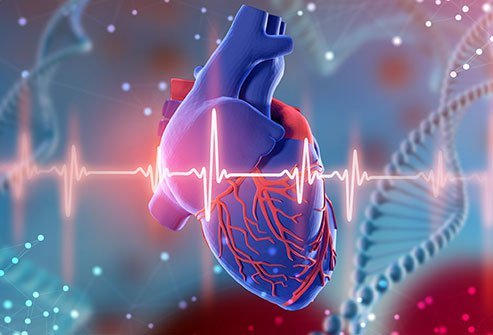
Hypertrophic cardiomyopathy (HCM) is a condition in which heart muscle becomes thickened affecting its function. Causes of HCM include genetic defects. Researchers are still learning why some people with genetic changes develop the disease and others don’t. Younger people are likely to have a more severe form of hypertrophic cardiomyopathy. However, the condition is seen in people of all ages.
The other causes include:
- Genetic changes that are inherited from a parent (these affect the proteins that build heart muscle).
- Family history of cardiomyopathy, heart failure, or sudden cardiac arrest
- Heart conditions, such as heart attack, heart disease. or heart infection
- Diseases, such as diabetes, obesity, high blood pressure, and thyroid disorders
Most of the cases of hypertrophic cardiomyopathy are hereditary, possibly from a genetic mutation. The rest of the cases have no identifiable cause, although long-standing high blood pressure can lead to hypertrophic cardiomyopathy.
What is hypertrophic cardiomyopathy?
Hypertrophic cardiomyopathy (HCM) is the most common genetic cardiovascular disease, affecting at least one out of 200 people. HCM affects all age groups, from newborns to the elderly. It is a genetic condition that causes heart muscle tissue to become abnormally thick.
- When the heart muscle grows thick, its chambers get narrow and thus, accommodate less blood.
- The thickening can make it harder for blood to leave the heart, forcing the heart to work harder to pump the blood. It also can make it harder for the heart to relax and fill with blood.
- Usually, in hypertrophic cardiomyopathy, the muscle of the heart’s left ventricle is thicker than normal, or the wall between the two ventricles (septum) becomes enlarged and blocks the blood flow from the left ventricle.
- Hypertrophic cardiomyopathy may cause an arrhythmia, a disturbance in the heart’s rate or rhythm. In addition, people with hypertrophic cardiomyopathy are susceptible to endocarditis, an infection of the lining of the heart.
What are the signs and symptoms of hypertrophic cardiomyopathy?
Many people do not experience any symptoms until the condition is advanced. People may not have any symptoms prior to sudden death. All the below symptoms may become more prominent after eating, especially after a large meal
- Shortness of breath
- Chest pain
- Dizziness
- Lightheadedness or fainting
- Palpitations (awareness of one’s heartbeat)
- Lack of energy
- Swelling of legs and feet (the sign of failing heart)
- Syncope (fainting)
- Abnormal heart rhythm (atrial fibrillation)
What are the treatment options for hypertrophic cardiomyopathy?
Hypertrophic cardiomyopathy is usually treated with:
Medications:
- Beta-blockers lower blood pressure and heart rate, reducing the heart workload. These are metoprolol (Lopressor, Toprol-XL), propranolol (Inderal, Innopran XL), or atenolol (Tenormin).
- Calcium channel blockers, verapamil (Verelan, Calan SR,) or diltiazem (Cardizem, Tiazac), which dilate (open) the blood vessels by increasing blood flow to the heart.
- Antiarrhythmic drugs, which help to correct an abnormal heart rate or rhythm. These include amiodarone (Pacerone) or disopyramide (Norpace).
Need Expert Advice on Your Condition?
Get a personalized video breakdown and treatment plan from our senior neurosurgeons using your MRI/CT scans.
👉 Request MRI Review