
Educational Content: This article is for informational purposes only and does not constitute medical advice. Always consult a healthcare provider for diagnosis and treatment.
Why Do Women's Feet Get Dry and Cracked?
Medically reviewed by Dr. Otari Nergadze, Neurosurgeon | Updated: January 2026
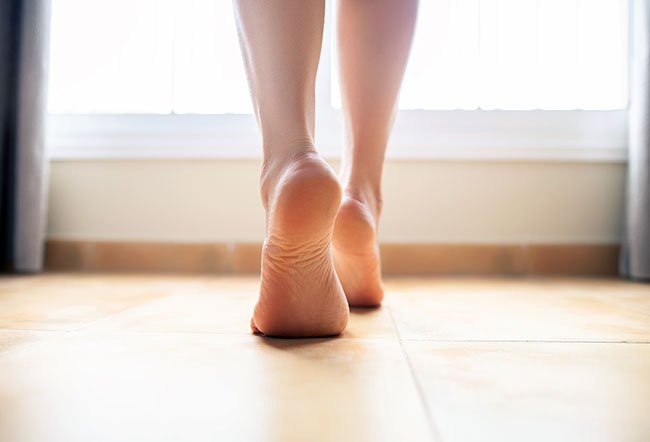
When the skin on the bottom of your feet and heels gets dry, it can leave painful cracks. While this is a common problem that can affect anyone, women are more prone to developing dry, cracked feet due to certain factors.
9 reasons women get dry, cracked feet
- Wearing open footwear: Women who frequently wear open-heeled footwear such as sandals are more prone to having their skin dry out.
- Dry skin: Not moisturizing your feet can lead to dry skin, especially during colder winter months.
- Harsh soaps: Women who use harsh soaps are more likely to develop cracked heels. Harsh soaps damage the natural skin barrier and cause water loss.
- Hot baths or showers: Using very hot water while bathing can dry out the skin. It is important to moisturize the skin within 10 minutes after getting out of the bath or shower.
- Prolonged standing: Standing for prolonged periods on hard floors, especially with shoes that cause friction on the heels, can cause cracked heels.
- Obesity: Excess weight can increase the pressure on the fat pad under the heel, causing the skin to split.
- Menopause: After menopause, some women are more prone to a condition called acquired keratoderma, which can lead to cracked skin on the heels and other body parts.
- Sjogren’s syndrome: Women are more prone to this condition, in which the skin dries up in response to the body’s immune system, attacking the sweat glands.
- Vitamin deficiency: Women who are deficient in vitamins C, B3, and E are prone to developing dry, cracked heels.
What home remedies can help treat dry, cracked heels?
- Heel balms: Use a heel balm or thick moisturizer twice daily to soften the skin and increase elasticity. Ingredients that help retain moisture in the skin include urea, alpha hydroxy acids, and humectants.
- Soaks and exfoliation: Soak your feet in warm, soapy water for about 20 minutes. Next, gently exfoliate with a pumice stone or loofah, pat dry, and apply a moisturizer such as Vaseline or even olive oil. Slipping on a pair of socks over your moisturized feet can lock in the moisture.
- Warm baths: Instead of taking hot baths or showers, try bathing in lukewarm water to prevent moisture loss.
- Cleaning: Always keep cracks clean to prevent the risk of infection.
- Bandages: Wearing bandages or special tissue glue can protect and hold the edges of the cracks in your skin.
- Supportive shoes: Wear proper fitting closed shoes to relieve pressure on the feet. Wear a silicone heel cup inside your shoes for extra protection
- Weight loss: Losing weight can help relieve pressure on the feet.
- Diet: Includingn essential fatty acids in your diet may help add moisture to your skin.
- Hydration: Stay hydrated by drinking plenty of water.
If your feet are severely dry and don’t respond to home remedies, talk to a doctor to rule out underlying medical conditions such as diabetes.
Need Expert Advice on Your Condition?
Get a personalized video breakdown and treatment plan from our senior neurosurgeons using your MRI/CT scans.
👉 Request MRI Review