
What Are the 4 Stages of Congestive Heart Failure?
- What Is
- Causes
- Signs/Symptoms
- 4 Stages
- Diagnosis
-
Treatment
- How is congestive heart failure treated?
What is congestive heart failure?
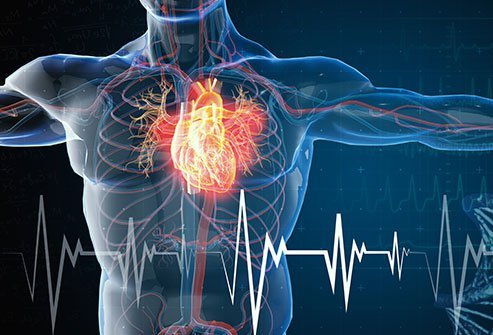
Congestive heart failure is a severe progressive condition that affects the pumping power of heart muscles. Because of decreased cardiac output, the organs get inadequate blood, oxygen, and nutrients. Congestive heart failure usually affects the lungs, heart, and kidneys. A decrease in cardiac output causes kidneys to retain water and salt. Because of the increased water retention, other organs get congested, leading to increased pressure on the heart.
What causes congestive heart failure?
There are several conditions that can impair the pumping efficiency of the heart. Below are a few common and rare conditions that can cause congestive heart failure:
- Coronary artery disease (CAD): This is the most common cause of congestive heart failure, as the arteries become blocked or severely narrowed, which decreases blood flow to the heart.
- High blood pressure (hypertension)
- Alcohol abuse
- Disorders of heart valves
- Thyroid abnormalities, viral infection, and heart rhythm abnormalities are a few rare cases that can cause congestive heart failure.
What are the signs and symptoms of congestive heart failure?
Difficulty breathing or shortness of breath are the most common and distinctive symptoms of congestive heart failure.
- Difficulty breathing may occur when a patient is at rest, during an activity, while lying flat, or even while waking up.
- Chest pain is another common symptom seen in patients with congestive heart failure.
- Due to water retention in the kidneys, patients will have a fluid overload in ankles, feet, stomach, and lungs, which is another key symptom seen in heart failure patients.
What are the four stages of congestive heart failure?
The New York Heart Association developed the four stages of congestive heart failure depending on the functional capabilities of the heart.
- Class I: Patients will have no problem while performing physical activity.
- Class II: Patients will have minor limitations of physical capacity due to a marked increase in physical activity. This leads to weakness, increased heart rate, difficulty breathing, and chest pain, but they may be comfortable at rest.
- Class III: Patients with marked limitation of physical activity in which minimal ordinary activity results in weakness, increased heart rate, difficulty breathing, and chest pain; however they are comfortable at rest.
- Class IV: Patients cannot carry on any physical activity without discomfort and have symptoms of heart failure or chest pain, even at rest.
How is congestive heart failure diagnosed?
Congestive heart failure can become a medical emergency because it affects the heart’s pumping mechanism, making breathing difficult. Hence, the diagnosis of congestive heart failure is important. Below are the diagnostic methods for congestive heart failure:
- Electrocardiogram: To assess heart rate and rhythm.
- Chest X-ray: To determine heart size and presence or absence of fluid in the heart.
- Blood tests: To know the risk factors that may cause congestive heart failure.
Need Expert Advice on Your Condition?
Get a personalized video breakdown and treatment plan from our senior neurosurgeons using your MRI/CT scans.
👉 Request MRI Review