
Why Is It Good to Drink Water?
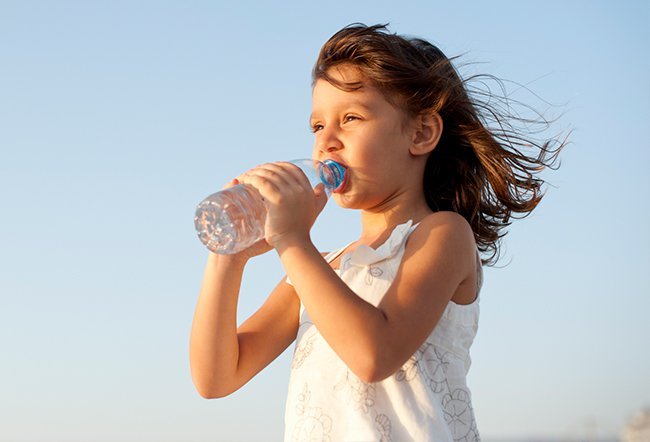
Water is an essential basic need for all animals and plants. It is estimated that 60 percent of the body is made of water. Water intake is lost daily through urination, sweating, and respiring (breathing). Water may also be lost in excess through vomiting and diarrhea. Excessive water loss leads to dehydration, a condition that gives rise to side effects, such as impaired thinking, mood changes, fatigue, fever, and kidney stones.
Drinking enough water helps replenish water loss and maintain the balance of bodily fluids. Naturally, making water your beverage of choice can also help you obtain the electrolytes and minerals essential to your body.
What are the benefits of drinking water?
The benefits of drinking enough water to stay hydrated include:
- Production of body fluids
- Provides energy
- The body loses energy and goes into a state of fatigue and lethargy when more water is lost from the body because of heat or exercise.
- Hydrating the body maintains normal body temperature and boosts energy and stamina to perform exercises or other physical activity.
- Improves brain function
- Even mild dehydration affects the brain and impairs thinking, attention, and concentration, changes mood, increases the frequency of headaches, and leads to anxiety.
- Drinking water and staying hydrated boosts brain function.
- Maintains healthy kidneys and urinary system
- Kidneys filter body wastes and toxins and excrete them through urine.
- Drinking the right amount of water flushes out all the toxins in the kidneys, maintaining healthy kidney function and preventing the formation of kidney stones.
- Drinking water produces more urine, which causes an increased frequency of urination that flushes out harmful bacteria lurking in the urinary system and prevents potential infections.
- Improves functions of other organs
- As water flushes out the toxins from the body, the overall health of the tissues improves.
- Water regulates body temperature and blood pressure.
- Drinking water prevents constipation and helps maintain gut health.
- Even airways function normally when the body is well hydrated.
- Dehydration may cause skin breakouts and premature wrinkling, so drinking water hydrates the skin from within, keeping it supple and plump.
- Aids in weight loss
- Drinking water is believed to boost metabolism, which aids in losing weight.
- Before meals, drinking water helps you feel fuller and prevents overeating, which helps limit the number of calories you eat.
- Dehydration or the state of thirst makes people feel hungry and boosts food cravings, which impacts weight loss.
What are the downsides of drinking too much water?
Generally, the body requires two liters of water per day, which roughly equals eight 8-ounce glasses of water. However, it differs with people depending on their physical activity and body weight. Drinking an excessive amount of water causes overhydration, water poisoning, or water intoxication.
Water intoxication is life-threatening and may lead to several complications, such as:
Electrolyte imbalance
Hyponatremia is low sodium levels in the blood.
- Sodium is an essential electrolyte that maintains several bodily functions.
- With decreased sodium levels, water moves into and swells up the cells, causing serious damage to tissues and organs, such as muscles and the brain.
- Low sodium leads to fatigue, disorientation, headaches, nausea, and, possibly, death.
- Sodium levels decrease with overhydration either by dilution or loss along with water through urine.
Hypokalemia is low potassium levels in the body.
- Overhydration can lead to hypokalemia, causing a disturbed balance between intracellular and extracellular potassium ions.
- Hypokalemia is a serious condition that leads to abnormal heartbeats, kidney failure, severe muscle weakness, and death.
Overburdens vital organs
- Overhydration increases the blood volume, which increases pressure on the heart and blood vessels.
- Overhydration may damage the brain, kidneys, and other organs.
It is important to keep the body hydrated; however, it is even more important to know how much water should be consumed. A person must always balance water loss by drinking enough water according to their body’s intake requirement to maintain proper fluid levels for bodily functions.
Need Expert Advice on Your Condition?
Get a personalized video breakdown and treatment plan from our senior neurosurgeons using your MRI/CT scans.
👉 Request MRI Review