
What Foods Are Good If You Have Low Blood Pressure?
- Definition
- Causes
- Who Is At Risk
-
Diagnosis and Treatment
- How is low blood pressure diagnosed and treated?
-
Foods
- Foods as a treatment for low blood pressure
-
Risks
- What are the risks of low blood pressure?
-
Outlook
- What's the long-term outlook for low blood pressure?
What is low blood pressure?
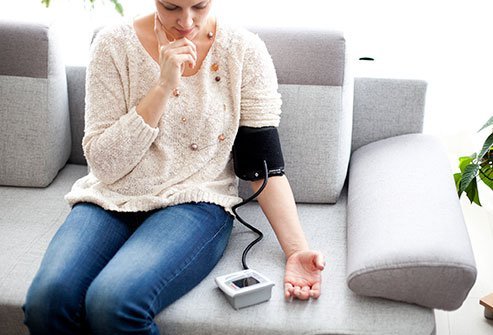
Low blood pressure, also called hypotension, is defined as any level of blood pressure that falls below normal levels.
Blood pressure is the pressure of your blood as it flows through your arteries. It is measured in millimeters of mercury (mm Hg).
The lowest blood pressure considered normal is 90/60 mm Hg. The top number is called systolic pressure, which is measured when your heart beats. The second number is called diastolic pressure and is your blood pressure between heartbeats.
Many older adults live with some amount of hypotension without knowing it.
Main causes
A number of things can cause low blood pressure. Some people with high blood pressure, or hypertension, can accidentally create low blood pressure while treating their condition.
Medications and diets intended to treat high blood pressure can sometimes cause low blood pressure as a side effect.
Low blood pressure can also be caused by:
- Standing for long periods
- Dehydration
- Thyroid disease
- Internal bleeding
Hypotension is often treated through changes to your diet. These will usually try to elevate your salt levels and increase your blood flow.
Who is at risk for low blood pressure?
Low blood pressure can happen to anyone at any age. There are several factors that can predispose some people to it more than others, including:
- Common medications for conditions like diabetes and Parkinson’s disease can cause low blood pressure as a side effect.
- Heart palpitations
- Nausea
Blood pressure that continues to drop is a medical emergency. Very low blood pressure keeps your vital organs from receiving oxygen and may lead to shock.
Signs to watch out for are rapid breathing, blue skin tone, and a rapid pulse. Call 911 if you notice any of these.
What’s the long-term outlook for low blood pressure?
Low blood pressure is manageable with treatment and close observation.
In addition to medication, your doctor will often recommend diet and lifestyle choices that can keep the condition under control.
Need Expert Advice on Your Condition?
Get a personalized video breakdown and treatment plan from our senior neurosurgeons using your MRI/CT scans.
👉 Request MRI Review