
What Are the Benefits of Taking Zinc?
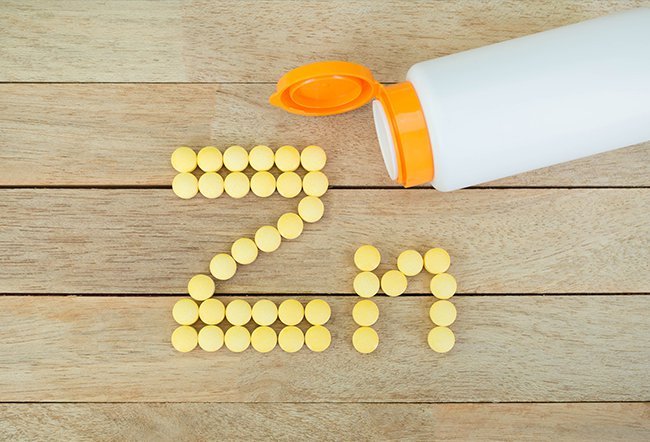
Zinc plays a vital role in the body, especially when it comes to supporting your immune system. Taking zinc supplements may help with:
- Colds. Studies suggest that taking syrups or lozenges containing zinc within 24 hours after the appearance of symptoms can shorten the duration of a cold.
- Diarrhea. Children with diarrhea and who have a low level of zinc may benefit from taking zinc supplements, although it’s important to consult with your pediatrician before starting your child on zinc supplements.
- Wound healing. Taking zinc can help people with skin ulcers who suffer from zinc deficiency.
- Age-related macular degeneration. Studies show that taking zinc orally may delay the progression of this eye condition.
- Diaper rash and sunburn. Ointments or lotions containing zinc oxide can prevent conditions such as diaper rash and sunburn.
What does zinc do for your body?
Zinc is a nutrient that the body needs only in small amounts for carrying out vital chemical reactions and functions, including:
- DNA creation
- Cell growth
- Protein building
- Wound healing
- Metabolism
- Supporting a healthy immune system
- Sense of taste and smell
An adequate amount of zinc is required during stages of rapid growth, such as childhood, adolescence, and pregnancy.
What foods contain zinc?
The recommended daily amount of zinc is 8 mg for women and 11 mg for men. Food sources of zinc include:
- Oysters
- Crab
- Lobster
- Beef
- Poultry
- Pork
- Legumes
- Nuts
- Seeds
- Whole grains
- Fortified breakfast cereals
What are signs of zinc deficiency?
Zinc deficiency is rare. Signs may include:
- Loss of taste
- Loss of smell
- Poor appetite
- Depressed mood
- Decreased immunity
- Delayed wound healing
- Diarrhea
- Hair loss
What increases the risk of zinc deficiency?
Certain groups of people are more at risk of developing zinc deficiency. These include people with:
- Inflammatory bowel diseases or who have undergone gastrointestinal surgery
- Chronic liver or kidney disease
- Excessive or prolonged diarrhea
- Burns and sepsis
Pregnant women and vegetarians or vegans are also at increased risk of zinc deficiency.
Are zinc supplements safe?
Zinc supplements are generally safe. However, the use of intranasal zinc is not recommended because it has been linked with losing the sense of smell.
In some people, zinc supplements may cause side effects such as:
- Indigestion
- Diarrhea
- Headache
- Nausea
- Vomiting
Taking oral zinc for a prolonged period can cause copper levels to become abnormally low. Copper deficiency may result in neurological symptoms, such as tingling sensation and numbness in the limbs.
The National Institutes of Health recommends that adults take no more than 40 mg of zinc in a day, and infants under 6 months old should not take more than 4 mg in a day.
Taking zinc can decrease the effectiveness of certain drugs and cause side effects. These drugs include:
- Antibiotics
- Penicillamine
- Thiazide diuretics