
How Do You Control Clutter?
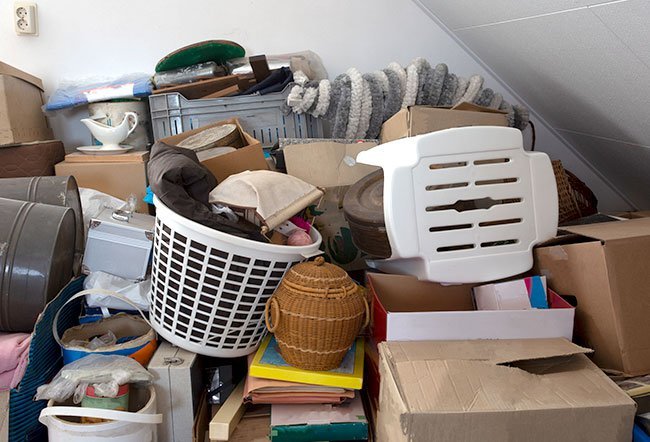
Have you ever felt overwhelmed by the amount of stuff you have accumulated, unsure of where it all came from? Most of us have dealt with clutter at some point, and it can cause a certain amount of stress and guilt.
Studies show that the excessive visual stimuli of clutter signals the brain that work is never done, creating a mental burden. However, decluttering doesn’t have to be a daunting process. Here are 6 simple tips for controlling clutter:
- Start with the most important spaces that you need to access for your daily needs.
- Set daily goals for yourself that are realistic according to your schedule and abilities.
- Take incremental steps and try to declutter one space a day, or declutter by item instead of by room.
- Consult a family member or friend if you are unsure if something is a necessity or can be thrown away.
- Create a disposal plan for recyclable items and excess trash. Larger items, such as furniture, may require a dumpster rental.
- Avoid binge shopping and buy only what you need.
How to get organized and label your items
Clutter is just one of those things that kind of happens without notice. So, before you start your dusting, window washing, mattress flipping, carpet shampooing, etc., go through your cupboards and take out any expired items or items that are past their prime.
One thing that can help you get organized is to prepare containers and labels, so that you can assign items to their new destination. You can label your containers as follows:
- Keep forever: Necessities such as furniture, or items of sentimental value such as personal letters, artwork, family heirlooms, or collectibles.
- Keep on-hand: Useful items such as cookery, tools, and medicinal equipment.
- Appraise and sell: Unwanted items of value or collectibles and artwork that you don’t need to keep.
- Give away: Items such as clothing, jewelry, or family heirlooms that can be passed down to relatives, friends, or charity.
- Recycle: Old letters and bills, electronics, clothing, and plastics you no longer need.
How to declutter specific areas of your home
Kitchen
- To maximize cabinet and drawer storage, focus on kitchen organization items that are stored behind closed doors.
- Avoid overloading the walls, open shelves, and racks with items.
- Select smaller countertop appliances that store easily or choose under cabinet mounted styles.
- Use attractive boxes and baskets to hold smaller items that need to stay on countertops.
- Consider creating an “appliance garage” by adding a door that hides appliances when not in use.
Bookshelves
- Get rid of anything you haven’t used in over a year.
- Sort bookcase items by size and type and make piles for books, magazines, decorative objects (vases or photos), and small items.
- When placing items back, leave some open space to visually lighten up the shelf.
- Arrange your books on the shelves by size or color, using no more than half of each shelf.
- Place magazines or smaller items that don’t need to be displayed in decorative boxes and arrange them on the lowest or highest shelves.
- Place odd-number groupings of your objects, such as vases, candles, or photo frames, in the empty space you have left next to the books.
Entryway
- Start by adding a small or narrow table, bookcase or bench to hold keys, chargers, and other items. A table with drawers or doors makes it easier to hide clutter quickly.
- Identify what items “live” in your entry and add a basket or two to catch them (door keys, loose change, etc.).
- Add hooks or a coat rack to hold jackets, bags, and backpacks.
- Create a charging station by adding a multi-outlet charger for all your devices.
Closet
- Get rid of everything you haven’t used in the last year.
- Place clothes on a hanger on a rod in the back, and set a date to check back a year later to see if you still want those items. Whatever hanger was not pulled out in the last 12 months should be considered for donation.
- Once you have edited your closet, consider upgrading to a smart closet organization system, which are usually affordable and make good use of the smallest of spaces.
- Shelves, baskets, boxes, and drawers make better use of space than hanging rods.
- Store boxes or bags, as well as bigger or seasonal items on the higher shelves.
Need Expert Advice on Your Condition?
Get a personalized video breakdown and treatment plan from our senior neurosurgeons using your MRI/CT scans.
👉 Request MRI Review