
Psychotherapy of family relationships
Understanding Family & Couples Psychotherapy
Family Therapy and Couples Therapy (including Marriage Counseling) are forms of psychotherapy designed to help people involved in close relationships nurture change and development (1, 2). These therapies view problems not just as residing within an individual, but as arising from the patterns of interaction between members of a couple or family unit.
The focus is on understanding and improving communication patterns, resolving conflicts, identifying problematic dynamics, and strengthening connections between partners or family members (1, 3). Therapy provides a safe and structured environment facilitated by a trained therapist to explore these issues.
Goals of Relationship Therapy
The specific goals are tailored to the needs of the couple or family, but often include (1, 2, 3):
- Improving communication skills (active listening, expressing needs clearly).
- Developing healthier conflict resolution strategies.
- Increasing empathy and understanding between partners/family members.
- Identifying and modifying dysfunctional interaction patterns.
- Strengthening emotional bonds and intimacy.
- Negotiating roles and responsibilities within the relationship/family.
- Navigating major life transitions (e.g., birth of a child, relocation, retirement).
- Supporting coping with external stressors or illness impacting the relationship/family.
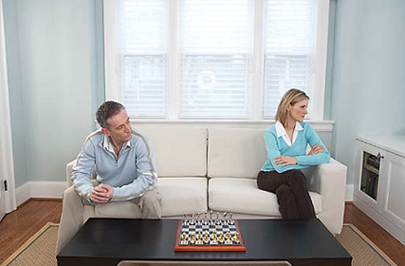
Common Issues Addressed
Couples and families seek therapy for a wide variety of reasons, such as (1, 2):
- Communication breakdowns
- Frequent arguments or unresolved conflicts
- Issues related to intimacy or sexual difficulties
- Infidelity or trust issues
- Parenting disagreements or challenges
- Blended family adjustments
- Dealing with illness, loss, or trauma within the family
- Financial stress impacting the relationship
- Differing values or life goals
- Impact of individual mental health issues (e.g., depression, anxiety) on the relationship
- Life cycle transitions (e.g., empty nest, retirement)
The Therapeutic Process
Therapy typically involves joint sessions with the couple or relevant family members present. The therapist acts as a neutral facilitator, helping members (1, 3):
- Express their perspectives and feelings safely.
- Listen to understand each other better.
- Identify recurring negative cycles of interaction.
- Learn and practice new ways of relating and communicating.
- Set shared goals for improving the relationship.
The therapist helps overcome interpersonal barriers and foster a more supportive and functional relationship dynamic.
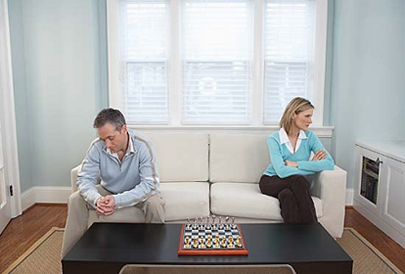
Therapy aims to assist partners and families in overcoming interpersonal barriers and improving understanding (1, 3).
Related Services (Individual & Premarital)
While family and couples therapy focus on existing relationships, related services include:
- Individual Psychotherapy: Can help individuals address personal issues that impact their relationships (e.g., insecurity, fear of intimacy, past trauma, communication styles).
- Premarital Counseling: Designed for couples preparing for marriage, focusing on communication, expectations, conflict resolution, and financial planning to build a strong foundation (2).
- Relationship Coaching/Dating Support: May focus more on strategies for finding partners and navigating the early stages of dating (this differs from therapy addressing established relationship dynamics).
Being prepared for healthy relationships involves self-awareness and effective communication skills, which can be developed through various forms of personal growth work or therapy.
References
- American Association for Marriage and Family Therapy (AAMFT). About Marriage and Family Therapists. Accessed [Insert Access Date - e.g., April 20, 2024]. Available from: https://www.aamft.org/About_AAMFT/About_Marriage_and_Family_Therapists.aspx
- Lebow JL, Chambers AL, Christensen A, Johnson SM. Research on the Treatment of Couple Distress. J Marital Fam Ther. 2012;38(1):145-168. doi:10.1111/j.1752-0606.2011.00249.x
- Gottman JM, Silver N. The Seven Principles for Making Marriage Work. Revised ed. Harmony; 2015. (Popular example of research-based couples advice, often integrated into therapy)