
Agrypnia
Definition and Clinical Features
Agrypnia is a neurological term for a severe, near-total, and prolonged state of insomnia (sleeplessness). It is distinct from more common forms of insomnia due to its severity and organic cause, representing a profound disruption of the brain's sleep-wake regulation mechanisms.
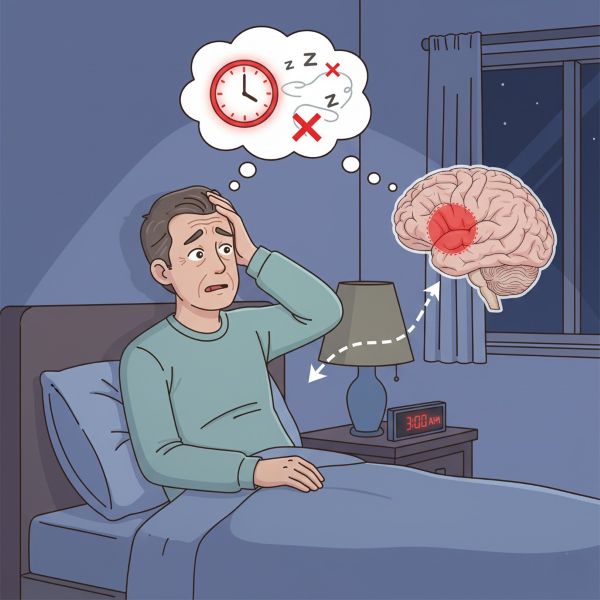
Agrypnia is often caused by damage to sleep-regulating centers in the thalamus and brainstem.
Causes and Associated Conditions
This rare and extreme condition is associated with severe damage to the central nervous system. Recognized causes include:
- Trauma to the brainstem and/or thalamus
- Prion diseases, such as Fatal Familial Insomnia and Sporadic Fatal Insomnia
- Morvan’s syndrome
- Encephalitis lethargica (von Economo’s disease)
- Trypanosomiasis (African sleeping sickness)
- A rare, relapsing-remitting disorder of possible autoimmune origin that may respond to plasma exchange
References
Batocchi AP, Della Marca G, Mirabella M et al. Relapsing-remitting autoimmune agrypnia. Annals of Neurology 2001; 50: 668-671
Cross References
Fatal Familial Insomnia; Insomnia; Thalamic Syndromes
Need Expert Advice on Your Condition?
Get a personalized video breakdown and treatment plan from our senior neurosurgeons using your MRI/CT scans.
👉 Request MRI Review