
What Spider Bite Can Kill a Human?
-
Poisonous Spiders
- Symptoms
- What to Do If You Are Bitten
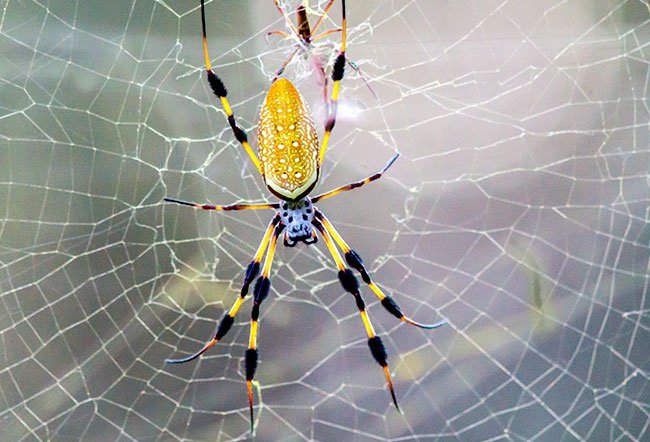
The Brazilian wandering spider, also called the banana spider, is considered the most venomous spider in the world. Found in northern regions of California, Texas, and North Carolina, banana spiders can cause painful bites that may result in death, especially in very young children and elderly adults.
However, most spider bites are rarely fatal to humans. Out of the 40,000 spider species found around the world, only a dozen or so can harm humans. The two main poisonous spider species in the U.S. are the black widow and brown recluse, both of which rarely cause death.
Other poisonous spider species found in the U.S. include:
- Red-legged widow spider
- Wolf spider
- Brown widow spider
- Six eyed sand spider
- North funnel-web spider
- Chilean recluse spider
- Sydney funnel-web spider
What are symptoms of a spider bite?
Symptoms of a spider bite differ depending on the species.
Banana spider bite
Symptoms of a banana spider bite may include:
- Severe pain, redness, and swelling at the site of the bite
- Nausea and vomiting
- Difficulty breathing
- Sweating
- Drooling
- Muscle spasms
- Chest pain
- Abdominal pain
- Painful erections in males
Black widow spider bite
In many cases, people may not notice a bite because it may feel as mild as a pinprick. Symptoms generally appear within 30-40 minutes and may include:
- Pain and swelling at the site of the bite
- Headache
- Muscle aches or cramps
- Nausea and vomiting
- Abdominal pain
- Sweating
- Raised blood pressure
- Difficulty breathing, dizziness, fainting (in severe cases)
Brown recluse spider bite
Like black widow spider bites, brown recluse spider bites may go unnoticed initially because they often feel like a mild sting. Symptoms may take 4-8 hours to appear and include:
- Pain, redness, and swelling at the site of the bite
- Blister formation (often blood-filled)
- Fever
- Chills
- Joint pain
- Nausea and vomiting
The venom of the brown recluse spider can damage tissues and may progressively lead to ulcer formation, brown-black discoloration of the skin, crusting, etc. In some cases, skin damage is extensive enough to require surgical skin grafting. Rarely, a brown recluse spider bite may be life-threatening due to excessive breakdown of red blood cells.
What to do if you are bitten by a spider
If you think that you have been bitten by a spider:
- Stay calm and seek immediate medical care
- Wash the area thoroughly with soap and water
- Apply ice packs for 15 minutes every hour to reduce pain and swelling
- Elevate the affected area if possible
- Take over-the-counter pain medications and antihistamines to relieve symptoms
Your doctor may prescribe medications such as nonsteroidal anti-inflammatory drugs, antihistamines, and antibiotics. Antivenom may be administered to neutralize the effects of spider venom.
Need Expert Advice on Your Condition?
Get a personalized video breakdown and treatment plan from our senior neurosurgeons using your MRI/CT scans.
👉 Request MRI Review