
What’s the Healthiest Cheese to Eat?
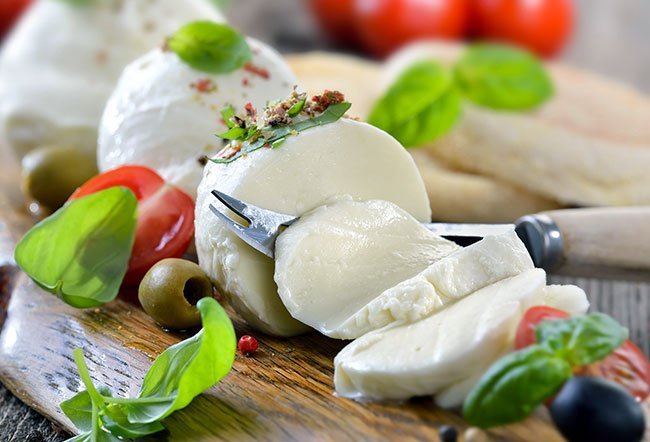
Cheese is rich in nutrients, including protein, amino acids, fatty acids, vitamins, and minerals. However, some cheeses are also high in calories, trans and saturated fats, and sodium, meaning that eating too much can increase your risk of obesity, heart disease, diabetes, and even certain types of cancer.
Of the many cheese varieties, cottage cheese is the healthiest as it is lowest in calories, fats, and sodium. Here are other types of cheese that are relatively healthy. Remember that when adding cheese to your diet, it’s important to eat in moderation and keep an eye on your overall fat and calorie intake for the rest of the day.
8 healthier types of cheese
1. Cottage cheese
Cottage cheese is a fresh cheese made from curdled cow’s milk. It has a mild flavor and is a good dietary alternative for high-fat dairy products, as it is low in calories and fat. Eating cottage cheese can provide you with a good amount of calcium, which is necessary for maintaining bone health. Cottage cheese is also a good source of vitamin B12 and probiotics.
| Nutrients | Amount (per slice or 21 grams) | Amount per 100 grams |
|---|---|---|
| Calories | 17.6 kcal | 81.1 kcal |
| Carbohydrates | 0.91 g | 4.31 g |
| Protein | 2.3 g | 11 g |
| Fats | 0.48 g | 2.3 g |
| Sodium | 67.4 mg | 321 mg |
| Calcium | 21.6 mg | 103 mg |
2. Ricotta cheese
Ricotta is soft cheese made from the whey part of milk. Ricotta cheese is much lower in calories and fat than other types of cheese.
| Nutrients | Amount (per slice or 21 grams) | Amount per 100 grams |
|---|---|---|
| Calories | 31.08 kcal | 148 kcal |
| Carbohydrates | 1.26 g | 6 g |
| Protein | 2 g | 9.6 g |
| Fats | 1.98 g | 9.46 g |
| Sodium | 21.42 mg | 102 mg |
| Calcium | 52.08 mg | 248 mg |
3. Feta
Feta is Greek cheese made from sheep’s milk. It is lower in calories and higher in sodium than other types of cheese.
| Nutrients | Amount (per slice or 21 grams) | Amount per 100 grams |
|---|---|---|
| Calories | 55.6 kcal | 265 kcal |
| Carbohydrates | 0.81 g | 3.88 g |
| Protein | 2.98 g | 14.2 g |
| Fats | 4.52 g | 21.5 g |
| Sodium | 239 mg | 1140 mg |
| Calcium | 04 mg | 493 mg |
4. Mozzarella
Mozzarella is soft cheese usually made from cow or buffalo milk. It melts easily and is used in many recipes for its smooth texture. When buying mozzarella cheese, opt for low-fat versions, as they contain more protein than the high-fat versions.
| Nutrients | Amount (per slice or 21 grams) | Amount per 100 grams |
|---|---|---|
| Calories | 62.6 kcal | 298 kcal |
| Carbohydrates | 0.932 g | 4.44 g |
| Protein | 4.98 g | 23.7 g |
| Fats | 4.28 g | 20.4 g |
| Sodium | 147 mg | 699 mg |
| Calcium | 146 mg | 693 mg |
5. Goat cheese
Made from goat’s milk, goat cheese may be easier to digest for some people than cheese made from cow’s milk. However, if you are lactose intolerant, talk to your doctor about whether this cheese is suitable for you.
| Nutrients | Amount (per slice or 21 grams) | Amount per 100 grams |
|---|---|---|
| Calories | 74.8 kcal | 264 kcal |
| Carbohydrates | 0 g | 0 g |
| Protein | 5.24 g | 18.5 g |
| Fats | 5.98 g | 21.1 g |
| Sodium | 130 mg | 459 mg |
| Calcium | 39.7 mg | 140 mg |
6. Swiss cheese
Swiss cheese is a semi-hard cheese and a good option if you are looking for cheese that is low in sodium and fat.
| Nutrients | Amount (per slice or 21 grams) | Amount per 100 grams |
|---|---|---|
| Calories | 110 kcal | 393 kcal |
| Carbohydrates | 0 g | 0 g |
| Protein | 8.99 g | 32.1 g |
| Fats | 8.01 g | 28.6 g |
| Sodium | 45.1 mg | 161 mg |
| Calcium | 300 mg | 1,000 mg |
7. Parmesan cheese
Parmesan is a hard type of cheese that has a very strong, salty flavor even in small amounts. Parmesan contains a good amount of calcium and phosphorus, both of which are important for bone health.
| Nutrients | Amount (per slice or 21 grams) | Amount per 100 grams |
|---|---|---|
| Calories | 111 kcal | 392 kcal |
| Carbohydrates | 0.913 g | 3.22 g |
| Protein | 10.1 g | 35.8 g |
| Fats | 7.09 g | 25 g |
| Sodium | 335 mg | 1,180 mg |
| Calcium | 335 mg | 1,180 mg |
8. Cheddar cheese
Cheddar cheese is richer in calcium than most other types of cheese and contains a good amount of probiotics.
| Nutrients | Amount (per slice or 21 grams) | Amount per 100 grams |
|---|---|---|
| Calories | 120 kcal | 429 kcal |
| Carbohydrates | 0.36 g | 1.3 g |
| Protein | 25 g | 25 g |
| Fats | 39.71 g | 39.71 g |
| Sodium | 679 mg | 190 mg |
| Calcium | 714 mg | 200 mg |
What safety precautions should you take when buying cheese?
- Choose wisely: When purchasing cheese of any brand, make sure it looks smooth, has no cracks, and is not discolored.
- Check the smell: If you are buying a particular cheese for the first time, sniff it out. If the cheese smells particularly funky, ask a store associate whether the smell is normal.
- Check for mold: Mold generally can't penetrate far into the pieces of semi-soft and hard cheeses like parmesan, Swiss, or cheddar. Therefore, you can just cut away an inch around the moldy part and eat the rest. Sometimes, mold is even added to cheese to ripen it. However, mold can easily penetrate ricotta cheese, goat cheese, and shredded cheese, and those should be thrown out if you see signs of molding.
- Store safely: If you want to keep cheese fresh for longer and prevent it from spoiling, refrigerate it as soon as you bring it home. Before refrigerating, wrap the cheese tightly in plastic wrap or wrap with wax paper followed by aluminum foil.
- Discard after a few weeks: How long a cheese can last depends on the type. Once opened, hard types of cheese such as parmesan, cheddar, and Swiss will stay fresh for 3-4 weeks when stored in the fridge, whereas softer varieties such as ricotta cheese will last for about 1-2 weeks.
Need Expert Advice on Your Condition?
Get a personalized video breakdown and treatment plan from our senior neurosurgeons using your MRI/CT scans.
👉 Request MRI Review