
How Do I Get My Kids to Sleep Without Fighting?
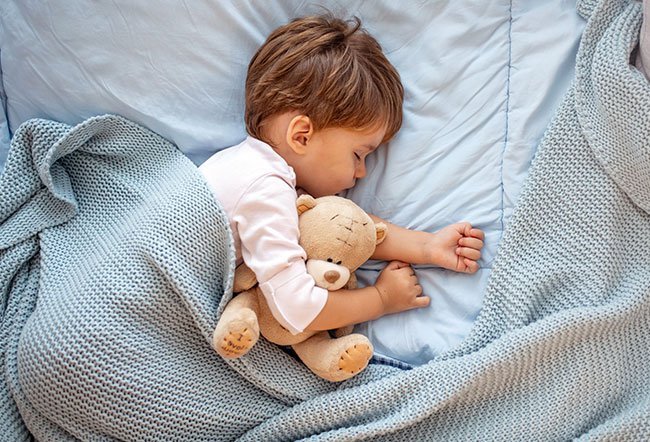
Quality sleep is important for a child's physical and mental health. But sometimes, bedtime can be a battle zone when your little one just does not want to go to bed.
What can you do when your child refuses to settle down and go to sleep?
15 tips to get your kids to sleep without a fight
1. Set a regular bedtime
Setting a regular bedtime will train your child’s body to recognize when it’s time to sleep. Keeping the same sleep schedule will make it easier for your child to fall asleep and wake up naturally.
Sleep habits take time to form but are easy to disrupt. Therefore, it’s necessary to keep bedtime consistent, even on weekends and during school holidays.
2. Set a wake-up time
In addition to having a consistent bedtime, it is important to have a consistent wake-up time to establish your child's sleep pattern. Your child’s wake-up time should be set based on how much sleep your child needs and what time they go to bed.
3. Establish a bedtime routine
Creating a bedtime routine helps your child develop sleep associations that promote healthy sleep. Routines may include taking a bath, brushing teeth, bedtime stories, and a goodnight kiss. For older children, this routine may include reading a book, listening to music, and enjoying some relaxing time alone.
4. Reduce stress before bedtime
When cortisol or stress hormone levels are high, your child won’t be able to relax and go to sleep. Soothing pre-bedtime activities can help calm your child down and make it easier for them to fall asleep.
5. Be careful about naptime
Depending on their age, children need at least 4 hours between sleep periods before they are tired enough to sleep again. Longer and later naps close to bedtime should be avoided because they can make it harder for your child to feel tired enough to go to sleep at night.
6. Help calm their fears
Don’t dismiss your child’s fears of the monsters under their bed. Alleviate your child’s bedtime fears by addressing them and reassuring them. Avoid scary computer games, TV shows, and disturbing news before bedtime.
Some children feel better when they have dim nightlight or glow-in-the-dark ceiling stickers so that the room isn’t pitch black. Special blankets and stuffed animals can help make your kid feel safe in their bed as well.
7. Create a sleep-inducing environment
Your child's bedroom should help promote sleep. Keep their room dark, quiet, and cool. Make their bedroom cozy, comfortable, and appealing to them.
8. Set screen time limits
Light emitted from televisions, computers, and other electronic devices suppresses melatonin (sleep hormone) levels and delays sleepiness. Turn off all screens at least 1-2 hours before bedtime.
9. Use the bed only for sleep
Encourage your child to use their bed only for sleeping and getting ready for sleep; otherwise, they’ll associate their bed with activities other than rest and relaxation. Avoid using your child’s bedroom for time-out, as they may start to associate it with punishment.
10. Avoid meals too close to bedtime
Heavy meals 1-2 hours before bedtime may keep your kids awake. If they get hungry after dinner, you can give them a light healthy snack, piece of fruit, or warm milk.
11. Avoid caffeine and sugar before bedtime
Caffeinated drinks like soda and hot chocolate may be too stimulating for your child and make it hard for them to fall asleep. The same is true with sugar. Make sure your child avoids anything with sugar or caffeine at least 3 hours before bedtime.
12. Natural light exposure
Encourage your child to go outside during the day so that they are exposed to natural light. Bright light suppresses melatonin, which will help your child feel awake and alert during the day and then sleepy closer to bedtime.
13. Get them active but not overtired
Regular exercise during the day prevents restlessness at night, so make sure your kid gets plenty of playtime and physical movement.
However, try to get them to wind down 3 hours before bedtime, or they may be too wired by the time they need to go to sleep. Being overtired can lead to hyperactivity in many kids.
14. Spend quality time together
Some kids want to stay up later because they crave for more attention from their parents. Spending quality time with your kids can help them relax and feel fulfilled that day.
15. Be on the lookout for sleep disorders
If your child is chronically tired during the day, has difficulty concentrating, or exhibits behavioral problems at home or school, it could be a sign of an underlying sleep disorder. Talk to a pediatrician or sleep consultant if you have concerns about your child’s sleeping habits.
How much sleep does my child need?
Typically, kids need more sleep than adults. Recommended hours of sleep per day (including naps) according to age are as follows.
- 0-3 months: 14-19 hours
- 4-12 months: 12-16 hours
- 1-2 years: 11-14 hours
- 3-5 years: 10-13 hours
- 6-12 years: 9-12 hours
- 13-18 years: 8-10 hours
What are the effects of lack of sleep?
Lack of sleep can have the following negative effects on kids:
- Decreased immunity (decreased ability to fight illnesses and infections)
- Decreased attention span
- Difficulty concentrating
- Behavioral problems
- Learning difficulties
- Mood changes and irritable moods
- Delayed physical and mental development
Although it may take patience and perseverance, making sure your child gets to bed at a reasonable hour is worth the effort.